
Zeyneb Sayılgan, PhD
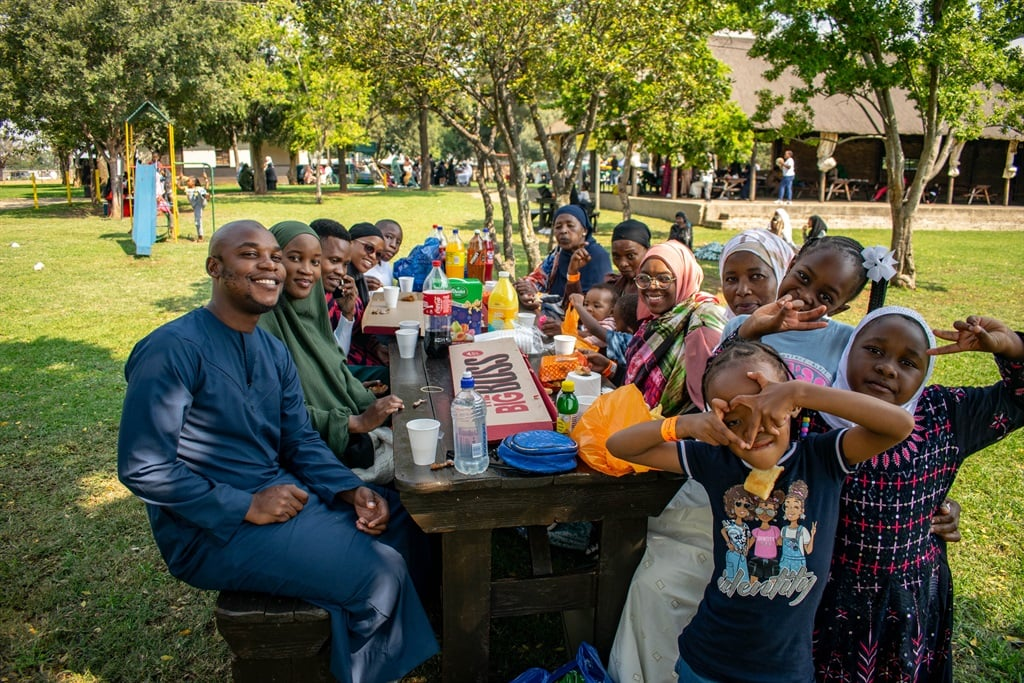
My young daughter often asks me at bedtime about my favorite childhood memories. As I share them with her, I have come to realize they often involve other people. Playing outside in nature with the neighborhood children until the darkness, immersing myself into the imaginary worlds of other characters by reading wonderful books, visiting families and friends for enjoying a cup of tea or a meal together, regular spiritual gatherings in the community to share joy but also process the painful aspects of human life, find meaning and purpose. To be sure, I had my own share of tragedies – most recently the death of my youngest daughter. Yet, I feel deeply grateful about my life. I was therefore not surprised to see many of these ingredients that make a fulfilling life expressed in the World Happiness Report 2025 that was published this week.
I grew up as a Muslim immigrant child in a simple working family with five siblings and one income. My parents never had the privilege to receive an education but they prioritized learning and enrolled us in the local library. My father was a shift worker in a glass factory who often had to leave for work at 4am in the morning. Yet, despite being a weekday and a long work day the next day, he would invite families and neighbors to come over and spend the evening together. They came. No one cared that it was a work or schoolday the next day. People made time for each other. Everyone felt nourished, strengthened and left happier. In public, my parents modeled to us how to talk to strangers by taking regular neighborhood walks, at picnics in parks they would invite people to join us for the meal and they would be active in serving the local community. They basically embodied most of what the science of Positive Psychology suggests: that spending time in nature, talking to strangers, meaningful social connection, gratitude and community service are keys to more increased happiness.
Through these simple but profound acts of togetherness instilled in me early on, I have learned that humans grow, thrive and are happier when they commit to each other in times of joy and pain. In my parents case, their motivation was rooted in their Muslim faith and culture. Islamic tradition makes it a sacred obligation to build trust and respect for one another by nurturing human ties and strengthen bonds. As Muslim scholar Bediüzzaman Said Nursi explains, while healthy solitude is equally necessary, humans are interwoven and interdependent social creatures who fundamentally at their core need each other. The Oneness of God calls for the oneness of humanity by refraining from unhealthy division and segregation. Working towards unity and social harmony is therefore key. As the Qur’an stresses, we are here to know one another, O humankind, We created you all from a single man and a single woman, and made you into races and tribes so that you should know one another. In God’s eyes, the most honoured of you are the ones most mindful of Him: God is all knowing, all aware.
How can we know one another, trust and respect each other if we do not find ways to come together? After studying the findings of the report more closely, I became more acutely aware of how much each of us is needed to challenge the dangerous trends of social disintegration, disconnection, mistrust, loneliness and despair. This work is “connective labor.” It can be hard at times to come out of the comfort zone but it is deeply valuable and worth investing for one’s individual and social well-being.
Inspired by Prophet Muhammad’s teachings, I try to employ several tools from my spiritual toolbox to cultivate healthy human connections:
Prophetic Presence: Prophet Muhammad spend most of his time in community and hence was always accessible. Despite being a leader of high rank he practiced “relational diversity” – meaning he was present to people from all walks of life without excluding anyone. This earned him the title of being “The Most Trustworthy” (al-Amin). When we first moved into our neighborhood during the pandemic, we dropped little invitations at our neighbors’ doors to come and get to know us over a bonfire and snacks. They came and we had a chance to bond. Showing up in our social circles with regularity is a good way to build trust and connection for the long term. Daily walks in my neighborhood have become an easy way to engage with my neighbors. I will always bump into someone and showing up regularly is a gateway to building trust. Once people recognize you frequently, they are more willing to open up about their lives. A brief chat with a dear neighbor, a wave and friendly smile to a stranger are all ways to connect in healthy ways and boost wellbeing of the individual and community. I plan to organize a weekly cell-phone free Neighborhood time in which children have unstructured play and all adults can spend quality time together. Such multi-generational gatherings were common in my childhood but rare these days. At work, I am fortunate to have colleagues who prioritize to meet over lunch and good conversation, make time for a walk or initiate social events to spend quality time together. During these times I offer my full presence, putting away my phone (avoiding airpods or headsets during a walk) and focus entirely on the moment, surroundings, sounds and person in front of me. It is a way to honor the timeless Prophetic trait to be fully attentive and mindful to people, nature and avoid distraction.
Weekly Gatherings: As a community person, Prophet Muhammad initiated regular spiritual gatherings in which he addressed the whole spectrum of the human experience – joy and pain, sorrow and pleasure, lows and highs. By creating an open and safe space in which human life can be considered and reframed from within a spiritual perspective, he offered the opportunity to be raw, real and find purpose in the quest for a meaningful life. He did not shy away to discuss challenging topics like death, illness and loss. Inspired by his example, I have made it a priority to host small weekday spiritual gatherings in my home in which people can share their challenges and be intimate with each other. To hold a mid-week check-in has proven healthy for all of us as life is so fast paced and occasions to reflect are increasingly rare. I first met people in neutral settings and took a little while to know them before I made the next step to invite them to the group. I keep it simple with tea and chocolate. For my neighbors, I host a monthly ladies’ tea time with simple conversation starters that allow us to build deeper connections like “Share a memory from your childhood.” My home has become my holy sanctuary, my place of safety and serenity. It has now become a place of learning and reflection, a place of building and co-building, a place of inspiration, a place of encounter, sacred stories and narratives and of true authentic selves. There is something unique about inviting people into your private home and sharing something intimate about yourself. It creates closeness and deeper connection which is difficult to replicate outside the home. My parents had a small apartment in which they raised six children but their hearts were big enough to host and welcome many people.
Sharing Meals: Eating alone, in rush or mindless eating behind a screen, notes the report, have become a factor in declining happiness. One day some companions of the Prophet Muhammad told him that they eat but feel never satisfied. The Prophet asked: “Perhaps you eat alone?” to which the companions replied in the affirmative. He then advised: “Eat together and mention the name of God over your food. It will be blessed for you.” In another narration, Prophet Muhammad recommended: “Eat together and not separately, for the blessing is associated with the company.” Hospitality is a major virtue in Muslim culture. Growing up, my parents taught us to share meals with our neighbors. Today, after preparing a dish we happily bring some over to our neighbors to enjoy. I hope my daughter will continue this beautiful and important tradition and make it always a priority to eat with company. When food is shared, communication and connection is effortlessly made.
It is in the simplicity and depth of these timeless Prophetic rituals that my Muslim parents instilled in me that I have found greater fulfillment and purpose. As a mother, I try to pass on this spiritual legacy to my own daughter. In an age of constant distraction and disconnection, these are small but powerful acts of resistance that can bring positive change. A collective challenge of despair needs a collective response. Together we are stronger, better and hopefully happier.
An adapted version of this piece was published on U.S.Catholic
Discover more from Zeyneb Sayılgan
Subscribe to get the latest posts sent to your email.

 Zeyneb Sayılgan